

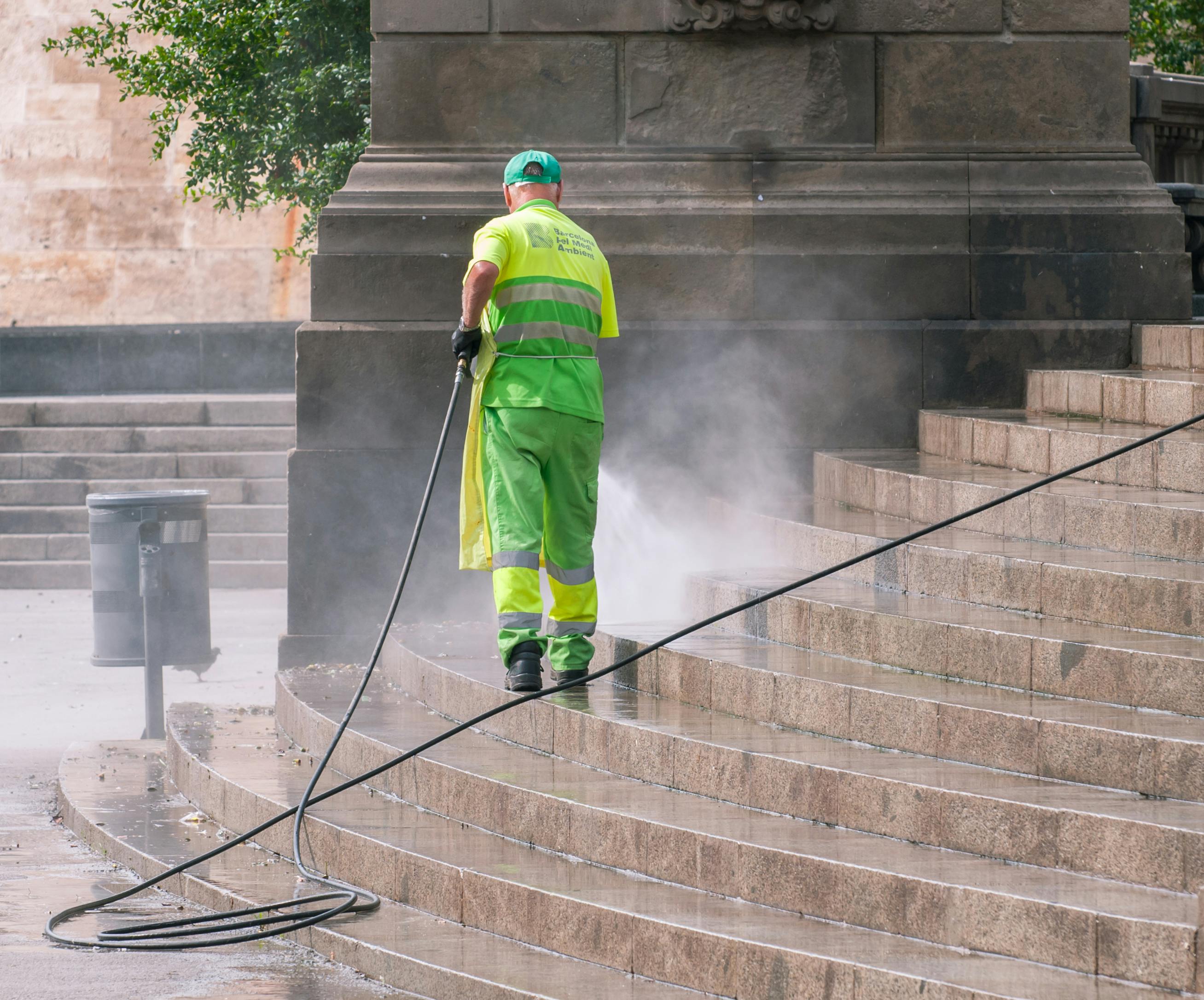
First impressions matter. For any business, the exterior of a building serves as a silent salesperson, communicating professionalism, cleanliness, and attention to detail. Over time, exposure to weather, traffic, and everyday wear can lead to grime, oil stains, mold, and other unsightly deposits. Commercial pressure cleaning offers a fast, effective solution that restores surfaces, improves safety, and boosts the overall aesthetic of a property. By removing contaminants at the source, businesses can protect their assets while presenting a polished fa??ade that invites customers and enhances brand perception.
Why Pressure Cleaning Is Essential for Curb Appeal
A clean exterior does more than please the eye; it contributes to the longevity of building materials and creates a healthier environment for employees and visitors. The primary advantages include:
- Improved visual impact: Bright, spotless surfaces convey professionalism and care.
- Extended material lifespan: Removing corrosive agents such as salt, oil, and mold reduces deterioration of concrete, brick, and metal.
- Enhanced safety: Eliminating slippery algae and oil residues reduces slip-and-fall hazards.
- Compliance with regulations: Many local councils require regular cleaning of commercial fa??ades to meet health and safety standards.
For a deeper understanding of the benefits, Read more about this topic.
Key Areas That Benefit Most From Pressure Cleaning
Building Fa??ades
Concrete, brick, and stucco walls accumulate dust, graffiti, and biological growth. A high-pressure wash restores original colour and texture without damaging the substrate when performed correctly.
Parking Lots and Driveways
Oil spills, tire marks, and debris can make parking areas look neglected. Regular cleaning removes these stains, improves lighting reflection, and helps prevent surface cracking.
Walkways and Entrances
High foot traffic leads to buildup of dirt and algae, which can become slippery when wet. Pressure cleaning keeps pathways safe and welcoming.
Outdoor Signage and Awnings
Even the most durable signage can become obscured by grime. A gentle pressure rinse revitalises the visual clarity of logos and promotional displays.
To explore specific techniques for each surface type, Explore further insights here.
Best Practices for Effective Commercial Pressure Cleaning
- Assess the surface: Different materials require varying pressure levels; too much force can erode softer substrates.
- Choose the right nozzle: Wide-angle nozzles spread water evenly for large areas, while narrow-angle tips concentrate power on stubborn stains.
- Pre-treat problem spots: Apply eco-friendly detergents to oil or grease before rinsing to break down contaminants.
- Maintain consistent distance: Keeping the wand 12-18 inches from the surface ensures uniform cleaning without splatter.
- Follow up with protective measures: Sealants or anti-mold coatings can prolong the clean appearance.
For a comprehensive step-by-step guide, Learn more in this detailed guide.
Environmental and Safety Considerations
Modern pressure-cleaning operations prioritize sustainability and worker safety. Key points include:
- Water reclamation: Capturing runoff reduces waste and prevents contaminants from entering storm drains.
- Biodegradable cleaning agents: Using non-toxic detergents protects surrounding vegetation and local waterways.
- PPE for technicians: Gloves, goggles, and slip-resistant footwear minimize the risk of injury.
- Compliance with local environmental regulations: Proper disposal of collected waste and adherence to discharge limits avoid penalties.
Additional guidance on environmentally responsible cleaning practices can be found at Find additional information here.
Planning a Commercial Pressure-Cleaning Schedule
A proactive maintenance plan ensures that cleaning efforts align with business cycles and budget constraints. Consider the following schedule framework:
- Quarterly inspections: Identify high-traffic zones and emerging stains.
- Bi-annual deep cleans: Target parking lots, fa??ades, and walkways during low-traffic periods.
- Annual review: Evaluate the effectiveness of cleaning agents and adjust pressure settings as needed.
Implementing a routine not only preserves curb appeal but also reduces long-term repair costs.
Conclusion
Commercial pressure cleaning is a strategic investment that delivers immediate visual improvement while safeguarding the structural integrity of a property. By focusing on high-impact areas, adhering to best-practice techniques, and respecting environmental standards, businesses can maintain a polished exterior that reflects their commitment to quality. A well-planned cleaning schedule, supported by knowledgeable professionals, ensures that curb appeal remains consistently strong, attracting customers and reinforcing a positive brand image.
