

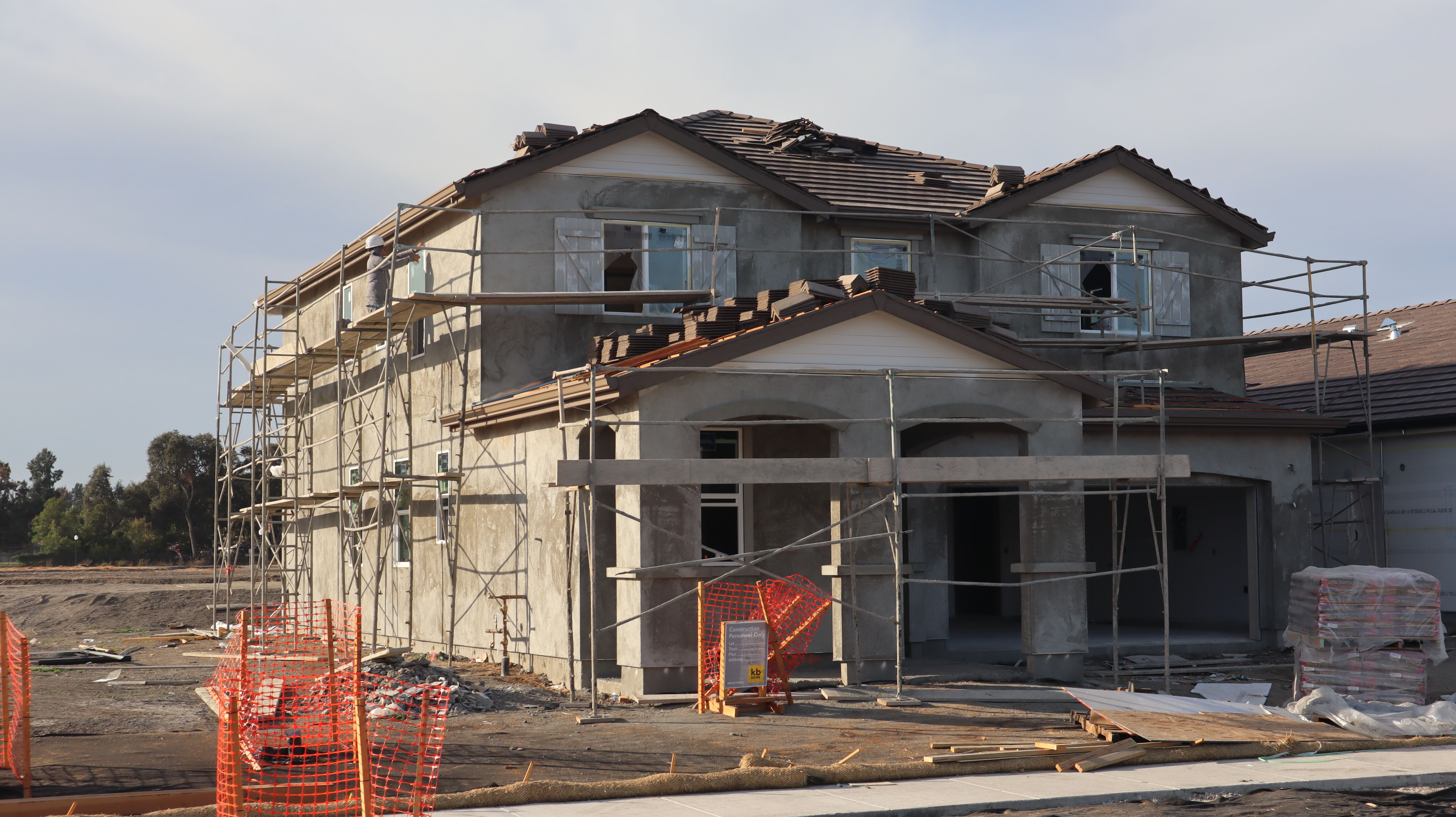
Expanding a residence is more than just adding square footage; it is an opportunity to enhance lifestyle, increase property value, and adapt a home to evolving needs. Whether the goal is a larger family room, a home office, or an accessible second story, the success of a home extension hinges on careful planning, skilled craftsmanship, and a clear understanding of local regulations. This guide outlines the essential considerations for anyone looking to extend their home, drawing on industry-tested practices and insights from leading professionals.
Understanding the Value of a Home Extension
A well-executed extension can transform a cramped layout into an open, functional space while preserving the character of the original structure. The benefits extend beyond aesthetics:
- Improved livability – additional rooms for growing families or remote work.
- Higher resale value – extensions often deliver a strong return on investment.
- Better energy efficiency – modern construction methods can upgrade insulation and glazing.
- Enhanced property appeal – a thoughtfully designed addition can set a home apart in the market.
Key Steps in the Extension Process
1. Feasibility Assessment
Before any design work begins, a thorough feasibility study should be conducted. This includes checking zoning laws, setback requirements, and structural limitations. Consulting a qualified architect or building consultant ensures that the proposed extension complies with local council regulations.
2. Design Development
During the design phase, the focus shifts to aligning the new space with the existing home’s style and the homeowner’s lifestyle goals. Detailed plans should address:
- Spatial flow – how rooms connect and how traffic moves through the house.
- Material selection – choosing finishes that complement the original structure.
- Natural light – positioning windows and skylights to maximise illumination.
- Future-proofing – incorporating flexible layouts for potential future changes.
For deeper insight into design strategies, Discover expert strategies here.
3. Budget Planning
Accurate budgeting prevents costly surprises. Break down the estimate into major categories such as:
- Design and engineering fees.
- Permits and approvals.
- Construction labour and materials.
- Contingency – typically 10-15% of the total project cost.
Guidance on realistic budgeting can be found by Learn about our tailored solutions.
Choosing a Qualified Contractor
Selecting a reputable builder is critical to translating plans into a high-quality finished product. Consider the following criteria:
- Relevant experience with residential extensions.
- Valid licences and insurance coverage.
- Positive client testimonials and a robust portfolio.
- Transparent communication and detailed written contracts.
Professional contractors often provide comprehensive project management, from permit acquisition to final handover. To explore reputable service providers, Explore advanced guides and tips.
Managing Construction and Quality Control
Effective on-site supervision ensures that work adheres to design specifications, timelines, and safety standards. Key practices include:
- Regular site meetings to review progress and address issues.
- Independent inspections at critical milestones (e.g., foundation, framing, waterproofing).
- Documentation of any changes through formal change orders.
- Final walkthrough to confirm completion of all items on the punch list.
Regulatory Compliance and Approvals
Every jurisdiction requires specific permits before construction can commence. Common approvals involve:
- Development application (DA) or planning permit.
- Building permit – confirming structural integrity and fire safety.
- Heritage or conservation approvals, if the property is in a protected area.
Understanding these requirements early reduces delays. Detailed guidance on navigating approvals is available at Find out more about this approach.
Post-Construction Considerations
Once the extension is complete, attention turns to finishing touches and long-term maintenance:
- Secure warranties for structural work, roofing, and installed systems.
- Schedule a post-occupancy evaluation to ensure comfort and functionality.
- Implement a maintenance plan for new windows, gutters, and external cladding.
Conclusion
Extending a home is a strategic investment that, when executed with professional expertise, delivers lasting value and improved quality of life. By following a structured process, starting with feasibility, moving through thoughtful design, precise budgeting, careful contractor selection, and rigorous construction oversight, homeowners can achieve extensions that blend seamlessly with existing architecture while meeting modern lifestyle demands. Leveraging the knowledge and resources offered by seasoned building specialists ensures that each phase is handled with the precision and care essential for a successful outcome.
