

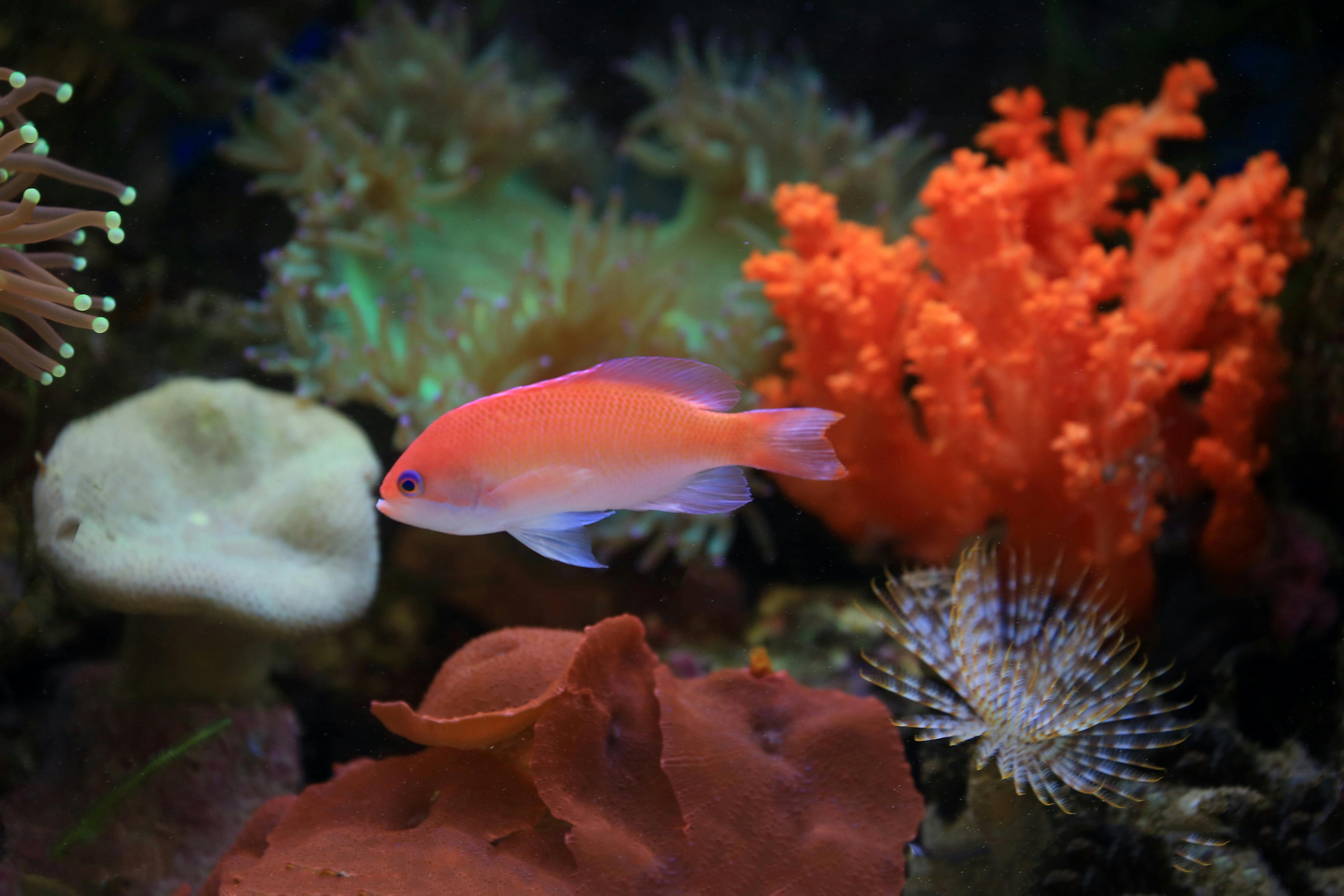
Moving an aquarium is one of the most delicate tasks a homeowner can face. The combination of heavy glass, water weight, live fish, and intricate equipment demands careful planning, specialized tools, and a deep understanding of aquatic ecosystems. In Phoenix, AZ, where temperature fluctuations and desert conditions add extra challenges, selecting a reliable aquarium moving service can make the difference between a seamless transition and a stressful ordeal. This guide outlines the essential factors to consider, the steps involved in a professional move, and practical tips for maintaining fish health throughout the process.
Why Choose a Specialized Aquarium Moving Service?
General movers lack the expertise required to handle the unique needs of an aquarium. A specialized service offers:
- Trained technicians who understand fish biology and water chemistry.
- Custom-built transport crates that secure glass tanks and prevent breakage.
- Temperature-controlled vehicles to protect temperature-sensitive species.
- Pre-move assessments that identify potential hazards and plan for safe removal of equipment.
For a deeper dive into the methodology behind these services, Discover expert strategies here.
Key Steps in a Professional Aquarium Relocation
1. Pre-Move Consultation and Planning
A thorough consultation evaluates tank size, fish species, filtration systems, and the new location’s layout. This stage includes:
- Measuring doorways, hallways, and stairwells to ensure a clear path.
- Assessing the water parameters required for each species.
- Scheduling the move during a time of day when temperature swings are minimal.
To learn how personalized plans are crafted, Learn about our tailored solutions.
2. Secure Packing of the Aquarium
Proper packing protects both the tank and its inhabitants:
- Fish are transferred to temporary, aerated containers with water from the original tank.
- Glass panels are wrapped in bubble wrap and placed in reinforced crates.
- Filters, heaters, and d??cor are disassembled, labeled, and packed separately.
For detailed packing guidelines, Explore advanced guides and tips.
3. Transportation
During transit, the following measures are critical:
- Vehicles equipped with climate control maintain a stable environment.
- Shock-absorbing mounts reduce vibrations that could stress fish.
- Continuous monitoring of water temperature and oxygen levels.
More information on safe transport practices can be found by Find out more about this approach.
4. Re-Installation at the New Site
Once the aquarium reaches its new home, the re-installation process includes:
- Positioning the tank on a level, sturdy surface that can support its weight.
- Re-assembling filtration and heating equipment according to manufacturer specifications.
- Gradually acclimating fish to the new water parameters to minimize stress.
Maintaining Fish Health During the Move
Fish are highly sensitive to changes in water quality, temperature, and handling. Follow these best practices to keep them healthy:
- Use a portable aeration system: Ensures adequate oxygen levels in temporary containers.
- Maintain consistent temperature: Insulated containers and heat packs prevent sudden drops.
- Limit exposure time: Aim to complete the move within 2-3 hours to reduce stress.
- Monitor behavior: Look for signs of distress such as rapid gill movement or erratic swimming.
Choosing the Right Service Provider in Phoenix
When evaluating potential movers, consider the following criteria:
- Experience: Companies with a proven track record in aquarium relocation.
- Insurance coverage: Protection against accidental breakage or fish loss.
- Customer reviews: Positive feedback from local aquarium enthusiasts.
- Transparent pricing: Clear breakdown of labor, equipment, and any additional fees.
Professional directories often list vetted providers; checking their credentials can save time and money.
Cost Factors to Expect
Pricing varies based on several variables:
- Tank size (small 20-gal vs. large 200-gal setups).
- Number and type of fish (fragile species may require extra care).
- Distance between the old and new locations.
- Additional services such as temporary housing for fish or post-move water testing.
Obtaining a detailed quote before the move helps avoid surprise charges.
Post-Move Checklist
After the aquarium is set up, follow this checklist to ensure a smooth transition:
- Verify that the tank is level and stable.
- Check all equipment for proper operation (filters, heaters, lights).
- Test water parameters (pH, ammonia, nitrite, nitrate) and adjust as needed.
- Gradually re-introduce fish, monitoring for any signs of stress.
- Schedule a follow-up water test after 24-48 hours.
Conclusion
Relocating an aquarium in Phoenix, AZ, requires more than just muscle, it demands expertise, meticulous planning, and a commitment to the well-being of aquatic life. By partnering with a specialized moving service, employing proper packing techniques, and adhering to best practices for fish health, homeowners can enjoy a seamless transition to their new space. For those seeking further guidance, the resources at nextlevelaquatics.com provide comprehensive information on every aspect of aquarium care and relocation.
