

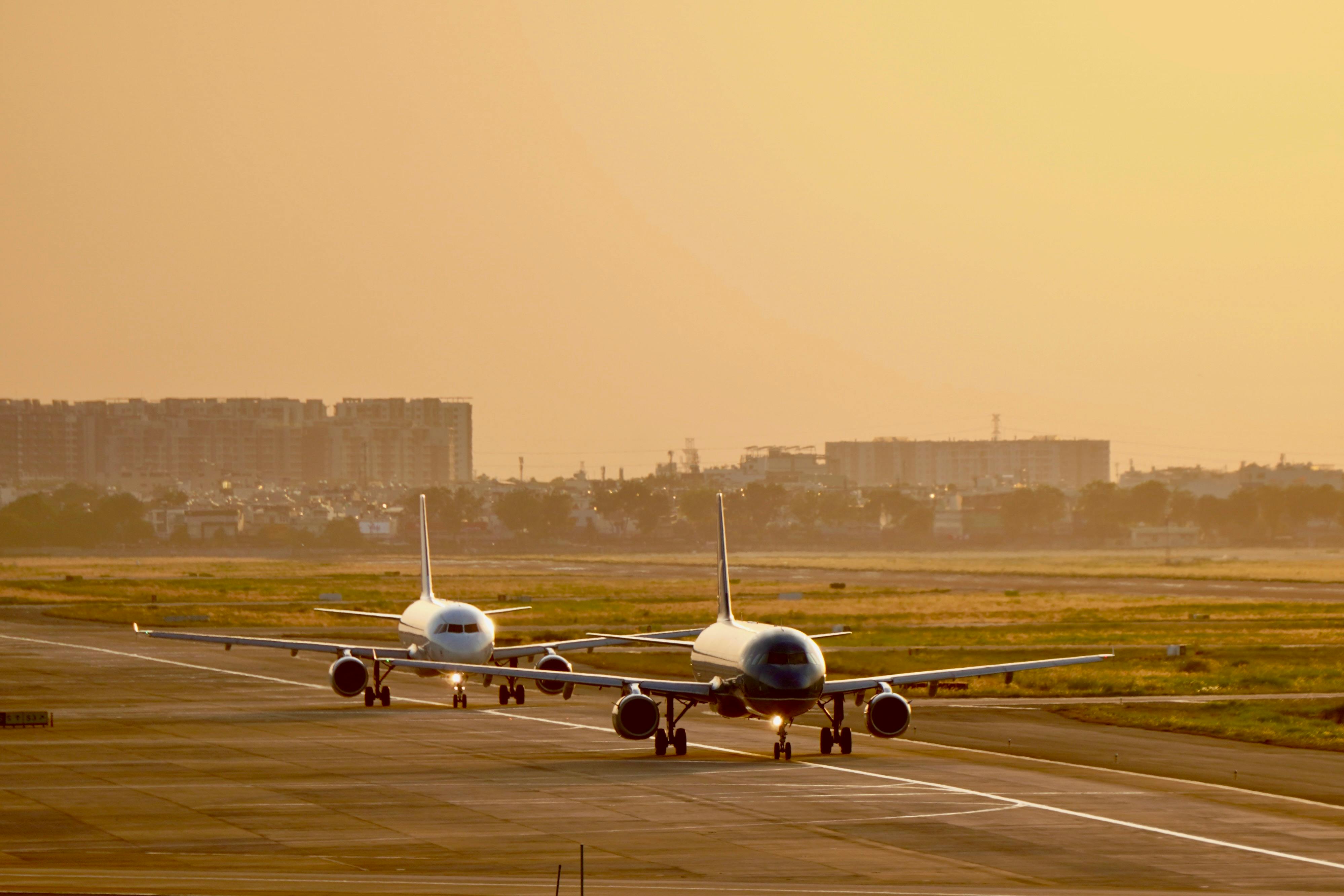
Traveling to Delhi in business class offers a unique blend of comfort, productivity, and cultural immersion that can turn a long-haul flight into a strategic part of the trip. Whether the journey is for a high-stakes conference, a client meeting, or a corporate retreat, making the most of the premium cabin can set the tone for a successful visit to India’s bustling capital. Below are practical tips and insights that help maximize the value of a business class experience, from pre-flight planning to post-landing follow-up.
Pre-Flight Preparation
Choose the Right Flight
- Compare schedules to align with local business hours in Delhi, reducing the need for early morning meetings upon arrival.
- Look for airlines that provide direct routes or minimal layovers to preserve energy for the agenda ahead.
- Consider business flights to Delhi that balance price and service quality, especially when booking for a team.
Secure a Seat That Works for You
- Window seats are ideal for privacy and a view of the landscape, while aisle seats offer easier access for quick breaks.
- Request a seat near the galley if you anticipate needing extra refreshments or a quiet spot for a short call.
- Use the airline’s online seat map early; premium cabins often fill up quickly.
Pack Smart for Productivity
- Carry a compact, lightweight laptop or tablet with a fully charged battery.
- Bring noise-cancelling headphones to create a focused environment despite cabin chatter.
- Include a portable charger and universal adapters for Indian power outlets (type C/D).
During the Flight
Leverage the Cabin Amenities
- Take advantage of the spacious seat recline and lumbar support for uninterrupted rest.
- Use the in-flight entertainment system to catch up on industry news or watch briefings relevant to your Delhi agenda.
- Enjoy the premium dining options, select meals that are light yet nourishing to avoid post-meal sluggishness.
Maintain Productivity Without Disruption
- Schedule short, focused work blocks of 45-60 minutes, followed by a brief stretch or walk down the aisle.
- Utilize the onboard Wi-Fi for checking emails, but prioritize tasks that don’t require large file transfers.
- Set your device to “Do Not Disturb” during key moments, such as the cabin crew’s service or when the seatbelt sign is on.
Well-Being Practices
- Stay hydrated by drinking water regularly; the cabin environment can be dehydrating.
- Perform simple seat-based stretches, neck rolls, ankle circles, and shoulder shrugs, to maintain circulation.
- Take advantage of the amenity kit (often includes eye masks, socks, and oral hygiene products) for a quick refresh before landing.
Arrival in Delhi
Streamline Immigration and Baggage
- Business class passengers typically receive priority lanes at immigration, have your passport, visa, and any required documents ready.
- Utilize the dedicated baggage carousel to collect luggage quickly and avoid crowding.
- Consider a pre-arranged airport transfer; many premium services include meet-and-greet options.
Transitioning to the Business Environment
- Refresh at the airport lounge or a nearby hotel’s business center before heading to meetings.
- Review your agenda while enjoying a light, protein-rich snack to sustain energy levels.
- Use the extra time to make a quick call to the local office, confirming logistics and any last-minute changes.
Post-Flight Follow-Up
Leverage the Experience for Future Travel
- Document which airline amenities contributed most to productivity; this insight helps in selecting future cheap business class flights to Delhi that meet corporate budgets.
- Share feedback with the carrier regarding seat comfort, service quality, and in-flight connectivity.
- Update travel policies with any cost-benefit analysis derived from the trip, reinforcing the value of business class for high-impact journeys.
Maintain Momentum After Landing
- Send a concise recap email to stakeholders within 24 hours, highlighting key discussion points and next steps.
- Schedule follow-up meetings while the information is fresh, using the same time zone alignment achieved by a well-timed flight.
- Take note of cultural nuances observed in Delhi, such as preferred meeting etiquette, to enhance future engagements.
Conclusion
Optimizing a business class flight to Delhi goes beyond simply enjoying luxury; it is a strategic component of a successful business trip. By selecting the right flight, preparing for productivity, utilizing cabin resources, and executing a seamless transition on the ground, travelers can turn travel time into valuable work time. The result is a more rested, prepared, and culturally attuned professional ready to make the most of opportunities in India’s dynamic capital.
