

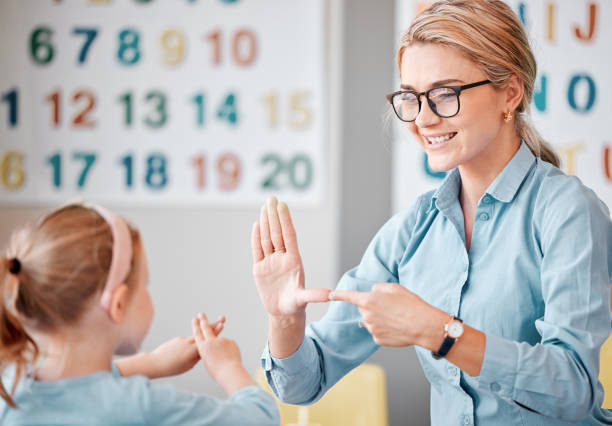
Social Emotional Learning (SEL) is a critical component of holistic education, yet its implementation in special education settings often requires nuanced approaches that address diverse learning needs. When educators integrate SEL intentionally, students with disabilities experience improved self-awareness, better peer relationships, and enhanced academic outcomes. This article explores evidence-based strategies, practical frameworks, and actionable steps for strengthening SEL programs in special education schools, while highlighting resources that support sustained growth.
Why SEL Matters in Special Education
Students in special education face unique social and emotional challenges, including communication barriers, sensory sensitivities, and heightened anxiety. Effective SEL can:
- Promote self-regulation skills that reduce disruptive behavior.
- Foster a sense of belonging and community within the classroom.
- Support transition planning by building confidence and coping mechanisms.
- Enhance collaborative problem-solving between educators, families, and therapists.
Research consistently shows that when SEL is embedded in individualized education plans (IEPs), students demonstrate measurable gains in both social competence and academic performance.
Foundational Framework for SEL Integration
1. Align SEL Goals with IEP Objectives
Begin by mapping SEL competencies, self-awareness, self-management, social awareness, relationship skills, and responsible decision-making, to the specific goals outlined in each student’s IEP. This alignment ensures that SEL activities are not an add-on but a core part of the instructional plan.
2. Use Multi-Modal Instructional Strategies
Students with diverse abilities benefit from varied delivery methods. Consider the following approaches:
- Visual Supports: Picture schedules, emotion charts, and social stories.
- Assistive Technology: Speech-generating devices, interactive apps, and captioned videos.
- Kinesthetic Activities: Role-play, movement-based games, and tactile manipulatives.
3. Embed SEL into Daily Routines
Consistency is key. Integrate short, purposeful SEL moments into morning meetings, transition periods, and wrap-up reflections. Over time, these micro-interventions build lasting skills.
Effective SEL Practices for Special Education Settings
Collaborative Teaching Models
Co-teaching arrangements between general educators and special educators create opportunities for shared expertise. While one teacher leads a lesson, the partner can provide targeted SEL scaffolding, such as prompting students to label emotions or model appropriate social responses.
Peer-Mediated Interventions
Pairing students with neurotypical peers in structured activities encourages natural social interaction. Use buddy systems, peer tutoring, or cooperative learning groups to promote empathy and mutual support.
Emotion Regulation Tools
Introduce tools that help students identify and manage feelings:
- Calm-down corners equipped with sensory items.
- Breathing apps that provide visual cues.
- Feelings thermometers that let students rate emotional intensity.
Professional Development and Resources
Effective SEL implementation requires ongoing teacher training. Schools can leverage external expertise, online modules, and community workshops to keep staff current on best practices.
- Attend webinars focused on SEL adaptations for specific disabilities.
- Participate in peer-learning circles to share successes and challenges.
- Utilize evidence-based curricula that include differentiated SEL activities.
For a comprehensive collection of resources, Discover expert strategies here and explore materials that align with special education standards.
Family and Community Partnerships
SEL thrives when families are active participants. Schools should:
- Provide workshops that teach parents how to reinforce SEL at home.
- Share progress reports that highlight social milestones alongside academic data.
- Invite community mentors to model social skills in real-world contexts.
These collaborations create a consistent support network, reinforcing the skills students practice in school.
Measuring Impact and Continuous Improvement
Data-driven decision making ensures that SEL initiatives remain effective. Consider the following metrics:
- Behavioral Logs: Track frequency of incidents and positive social interactions.
- Student Self-Reports: Simple surveys that gauge confidence and emotional awareness.
- Teacher Observations: Structured checklists aligned with SEL competencies.
Regularly review this data during IEP meetings and adjust interventions accordingly. For deeper guidance on assessment tools, Learn about our tailored solutions that integrate SEL metrics with academic tracking.
Technology Integration for SEL
Digital platforms can personalize SEL experiences. Adaptive learning software offers:
- Interactive scenarios that simulate social situations.
- Real-time feedback on emotion recognition tasks.
- Progress dashboards accessible to teachers, families, and therapists.
When selecting tools, prioritize accessibility features such as text-to-speech, adjustable contrast, and keyboard navigation. Detailed reviews of inclusive SEL technologies are available at Explore advanced guides and tips.
Conclusion
Integrating Social Emotional Learning into special education schools demands intentional planning, collaborative execution, and continuous evaluation. By aligning SEL goals with IEPs, employing multi-modal instruction, fostering peer and family involvement, and leveraging data-driven insights, educators can create environments where every student thrives socially and academically. For additional frameworks and case studies that illustrate successful SEL implementation, Find out more about this approach and join a growing community dedicated to inclusive, emotionally intelligent education.
