

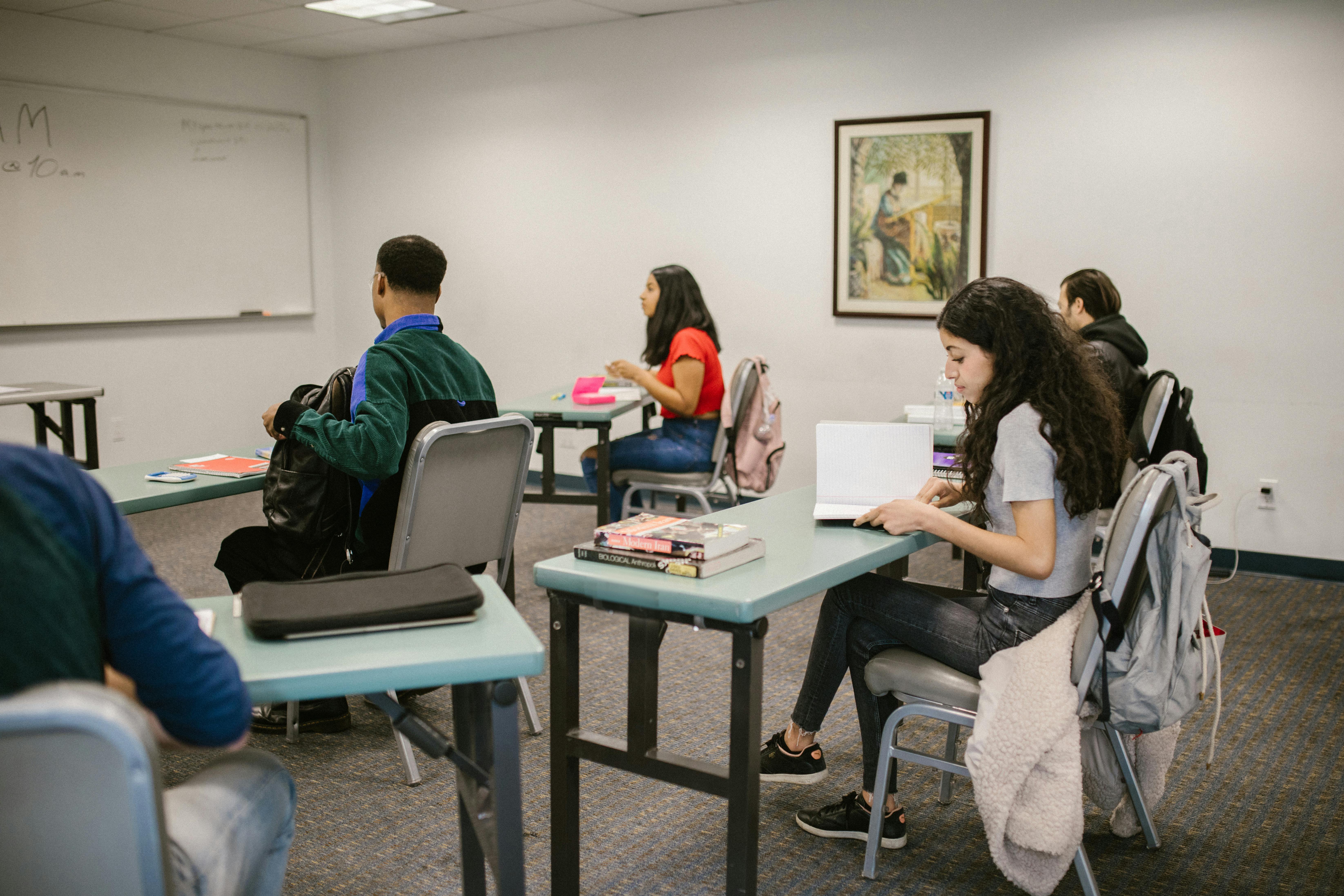
Communication is a fundamental aspect of human interaction, yet for individuals with developmental disabilities, it can present significant challenges. Developmental disabilities such as autism spectrum disorders, Down syndrome, and other cognitive impairments often come with communication difficulties that require specialized approaches. Addressing these challenges not only improves the quality of life for these individuals but also enhances their ability to engage with their communities. Numerous solutions and strategies have been developed to support effective communication, making a substantial difference in facilitating understanding and connection.
Understanding Communication Challenges
Individuals with developmental disabilities may exhibit a range of communication barriers, including:
- Limited verbal skills or non-verbal communication.
- Difficulties in expressing thoughts and emotions.
- Challenges in understanding spoken language.
- Struggles with social cues and non-verbal signals.
Awareness of these challenges is the first step in developing effective communication strategies. Each individual’s needs are unique, necessitating personalized approaches. Learn about our tailored solutions for addressing these challenges.
Technological Solutions
Advances in technology have led to innovative tools that assist individuals with communication difficulties. These tools can be tailored to meet specific needs and preferences. Key technological solutions include:
Augmentative and Alternative Communication (AAC) Devices
AAC devices encompass a wide range of tools that support or replace speech. These include:
- Speech-generating devices that verbalize inputted text.
- Picture exchange communication systems (PECS) for non-verbal users.
- Apps designed to enhance communication through interactive interfaces.
Such devices empower individuals to express themselves more effectively, fostering independence and social engagement. Explore advanced guides and tips on selecting the right AAC tools.
Mobile Applications and Software
The proliferation of mobile technology has made communication resources more accessible. Many applications are designed to improve communication skills, offering features such as:
- Speech therapy exercises and games.
- Social stories and visual schedules.
- Real-time translation of speech to text.
These applications are not only practical but also engaging, motivating users to practice their communication skills regularly. Discover expert strategies here for integrating mobile technology into communication development.
Behavioral and Educational Interventions
In addition to technological aids, behavioral and educational strategies play a crucial role in enhancing communication abilities. Approaches such as:
- Speech and language therapy with certified professionals.
- Social skills training to improve interaction capabilities.
- Behavioral therapy focusing on reducing communication barriers.
These interventions are often implemented in educational settings or through specialized programs. Collaborative efforts among therapists, educators, and families are essential for achieving optimal outcomes. Find out more about this approach to comprehensive communication development.
Supporting Families and Caregivers
The role of families and caregivers is integral in supporting communication development. Providing resources and training can empower them to effectively assist their loved ones. Important considerations include:
- Access to support groups and community resources.
- Training workshops on using communication tools and strategies.
- Encouragement and guidance in creating a supportive home environment.
By equipping families with the right tools and knowledge, the journey towards effective communication becomes a collaborative and rewarding experience. Learn more about resources available for families and caregivers.
