

Creating comfortable spaces in both residential and commercial settings is a vital aspect of modern living. As climates vary drastically across different regions, finding effective climate control solutions is essential for maintaining an environment that suits the needs of its occupants. Whether it’s ensuring warmth during chilling winters or providing a cool escape from scorching summers, climate control systems play a pivotal role. This article explores various climate control solutions, focusing on their benefits, types, and how they can be optimized for different settings.
Understanding Climate Control Systems
Climate control systems are designed to regulate the temperature, humidity, and air quality within a space. These systems can range from simple air conditioning units to complex HVAC systems that integrate heating, ventilation, and air conditioning into one cohesive system. The main goal is to create a comfortable indoor climate that enhances the quality of life and productivity.
Types of Climate Control Systems
- Central HVAC Systems: These systems are ideal for larger buildings and provide centralized control over the indoor climate. They are efficient and can maintain consistent temperatures throughout a space.
- Split-System Air Conditioners: Suitable for residential applications, these systems include an indoor unit and an outdoor unit, offering flexible installation options.
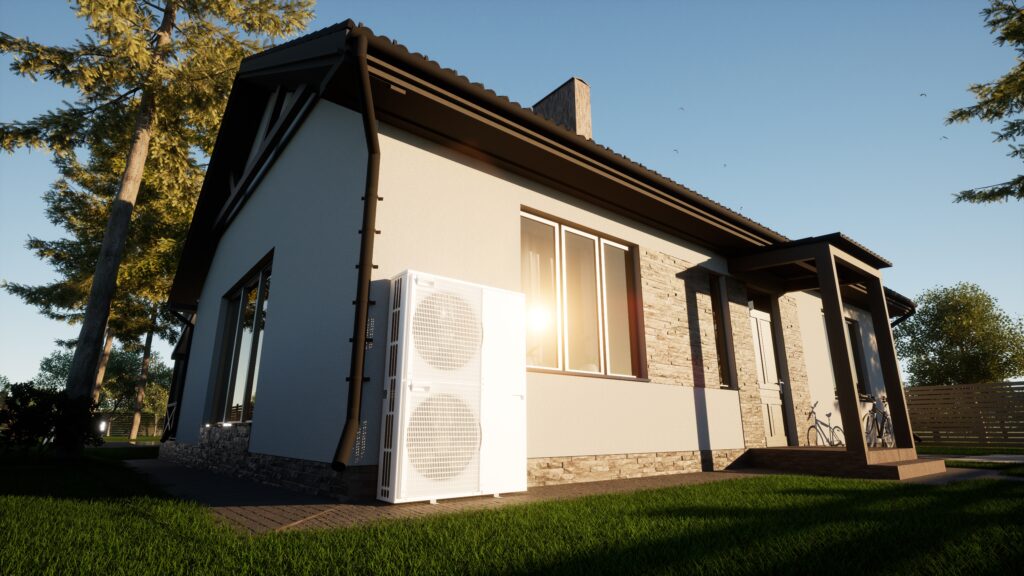
- Heat Pumps: Offering both heating and cooling capabilities, heat pumps are energy-efficient and perfect for moderate climates.
- Portable Air Conditioners: These units are versatile and can be moved from room to room, making them a temporary solution for cooling needs.
- Thermostats and Smart Controls: These devices allow for precise control over climate settings and can be programmed to adjust temperatures based on user preferences and schedules.
Explore further insights here on how to select the right climate control system for your needs.
Benefits of Effective Climate Control
Implementing an effective climate control system offers numerous benefits:
- Enhanced Comfort: Properly regulated indoor climates ensure comfort regardless of external weather conditions.
- Increased Energy Efficiency: Modern systems are designed to be energy-efficient, reducing utility costs and environmental impact.
- Improved Air Quality: Advanced systems can filter out pollutants, allergens, and other contaminants, promoting healthier indoor air.
- Prolonged Equipment Lifespan: By maintaining optimal operating conditions, climate control systems can extend the lifespan of other equipment within the space.
Learn more in this detailed guide about achieving optimal comfort and efficiency with climate control systems by visiting this link.
Optimizing Climate Control for Different Spaces
Different spaces have unique requirements when it comes to climate control. Understanding these needs is crucial for selecting and optimizing the right solutions.
Residential Spaces
In homes, comfort and energy efficiency are key priorities. Homeowners should consider:
- Installing programmable thermostats to adjust temperatures based on occupancy and time of day.
- Choosing energy-efficient appliances and systems to reduce utility bills.
- Ensuring proper insulation to maintain desired indoor temperatures with minimal energy use.
Read more about this topic here to discover how residential climate control can be optimized.
Commercial Spaces
In commercial settings, climate control must accommodate larger spaces and diverse needs:
- Investing in robust HVAC systems that can handle varying occupancy levels and large areas.
- Implementing zoning systems to control temperatures in different areas independently.
- Utilizing smart building technologies for real-time monitoring and adjustments.
Find additional information here on optimizing climate control for commercial environments.
Conclusion
Effective climate control is essential for creating comfortable and healthy indoor environments. By understanding the types of systems available and their benefits, individuals and businesses can make informed decisions that enhance comfort, efficiency, and sustainability. As technology continues to advance, the possibilities for optimizing climate control systems become even more promising. To delve deeper into the intricacies of climate control solutions, explore further insights here.
