

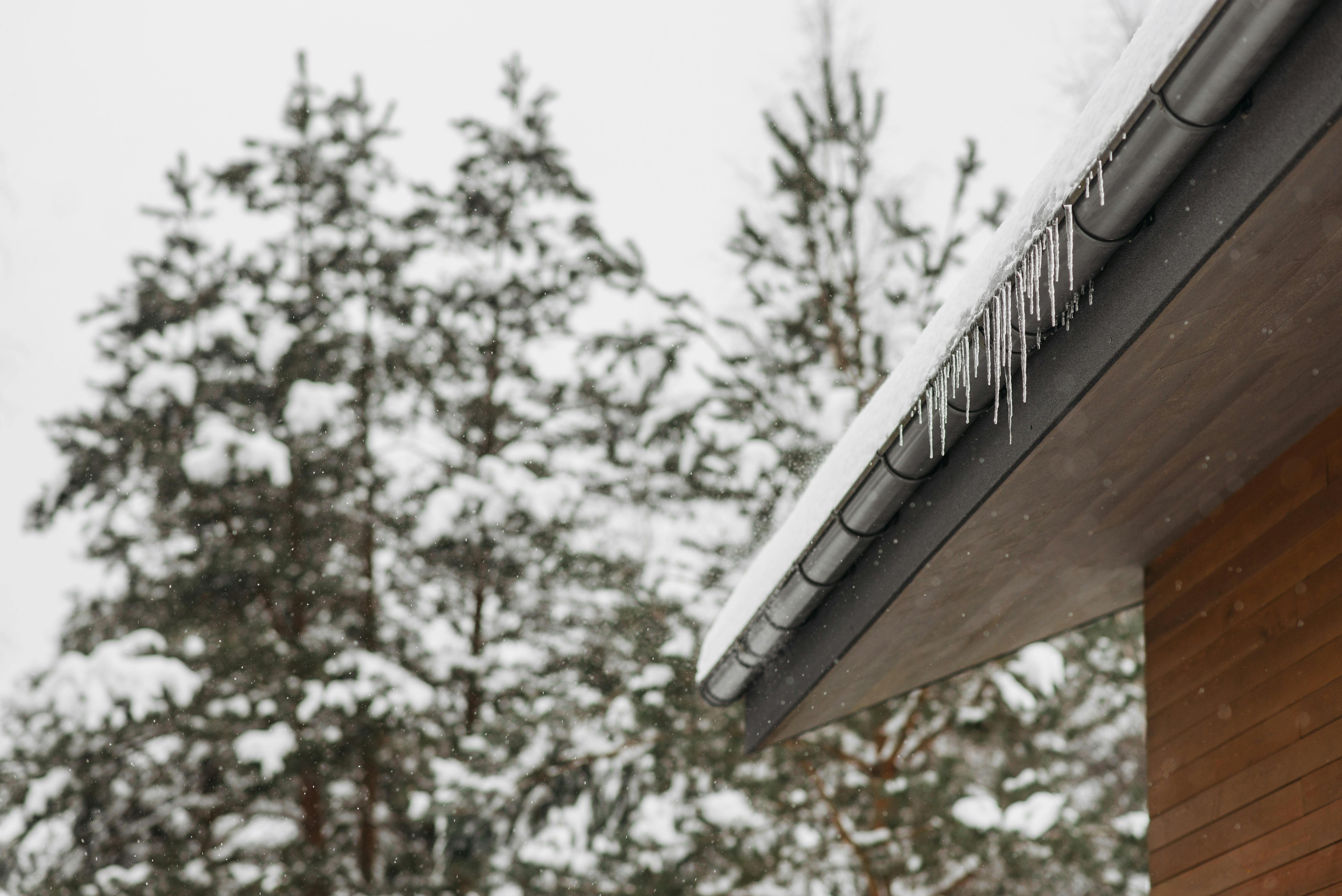
Utah’s unique climate, characterized by hot, dry summers, heavy snowfalls, and occasional spring storms, places demanding requirements on any gutter system. Selecting the appropriate gutter filter can mean the difference between a roof that sheds water efficiently year-round and one that suffers from clogs, ice dams, or water damage. This guide walks through the key factors to consider when choosing gutter filters for Utah’s varied weather patterns, helping homeowners make an informed decision that protects their property while minimizing maintenance.
Understanding Utah’s Climate Challenges
Before diving into product types, it’s essential to recognize the environmental forces that affect gutters in the Intermountain West:
- Winter snowfall and ice melt: Rapid temperature fluctuations can cause ice to build up in gutters, leading to ice dams that force water under roofing materials.
- Spring wind and dust: The desert-like conditions of western Utah generate fine dust and pollen that can accumulate quickly.
- Summer thunderstorms: Intense downpours demand a high flow capacity to prevent overflow.
- Fall leaf drop: While Utah’s trees shed fewer leaves than more humid regions, conifer needles and small debris still pose a clog risk.
Types of Gutter Filters Suitable for Utah
Screen-Style Filters
Screen filters consist of a fine mesh that sits inside the gutter, allowing water to pass while blocking larger debris. For Utah, a stainless-steel or aluminum screen with a 1/4-inch opening often provides the right balance between filtration and flow.
- Pros: Easy to install, relatively inexpensive, and effective against pine needles.
- Cons: Can become clogged with fine dust during windy seasons; may require periodic cleaning.
Micro-Mesh Filters
Micro-mesh systems feature a dense fabric layer that captures even the smallest particles, including pollen and sand. These are especially valuable in areas like Salt Lake City where spring dust storms are common.
- Pros: Superior filtration, reduces the frequency of gutter cleaning.
- Cons: Higher upfront cost; must be inspected after heavy snow to ensure no ice blockage.
Surface-Mount Gutter Guards
These guards sit on top of the gutter and deflect debris away while allowing water to flow into the channel. In Utah, a surface-mount guard with a sloped design can help shed snow and ice more effectively.
- Pros: Excellent for snow shedding, minimal interior maintenance.
- Cons: May require professional gutter guard installation to ensure proper alignment.
Key Selection Criteria
- Flow Capacity: Choose a filter that maintains at least 80% of the gutter’s original flow rate to handle summer thunderstorms.
- Durability: Materials should resist corrosion from road salt used in winter de-icing.
- Snow Management: Look for designs that allow ice to break free or incorporate a heated element for extreme conditions.
- Maintenance Frequency: Homeowners who prefer low-maintenance solutions should prioritize micro-mesh or surface-mount options.
- Compatibility with Existing Gutters: Ensure the filter fits the profile of your current aluminum or copper gutters.
Installation Considerations
While many DIY-oriented homeowners can install basic screen filters themselves, more complex systems, especially those designed for heavy snow, often benefit from professional expertise. Engaging experienced gutter guard installers Utah can ensure:
- Correct pitch and alignment to prevent water pooling.
- Secure fastening that withstands high winds.
- Integration with existing downspout configurations.
When searching for a qualified provider, terms such as gutter guard contractors or gutter guard company Utah can help locate specialists familiar with local building codes and climate nuances.
Maintenance Best Practices for Utah Homeowners
- Seasonal Inspection: Check gutters after the first heavy snowfall and again after the spring melt to clear any ice or debris.
- Cleaning Frequency: For screen filters, a quick rinse with a garden hose in early summer can prevent buildup; micro-mesh filters may need a professional cleaning once a year.
- Snow Removal: Use a roof rake to clear snow from the roof edge, reducing the load on gutters and preventing ice dams.
- Trim Overhanging Branches: Limiting the amount of pine needles and small branches that reach the gutters reduces clog risk.
Cost vs. Longevity
Investing in high-quality gutter filters can appear costly upfront, but the long-term savings from reduced water damage, lower cleaning expenses, and extended gutter lifespan often justify the price. A typical screen system may range from $3-$5 per linear foot, whereas micro-mesh solutions can run $8-$12 per foot, including professional gutter guard installation. When budgeting, factor in the potential cost of water-damage repairs, which can easily exceed the price differential.
Finding Local Support
Homeowners seeking nearby expertise can search for gutter installation near me to locate reputable service providers. Many local contractors also offer maintenance contracts, providing annual inspections and cleanings, an attractive option for those who prefer a hands-off approach.
Conclusion
Choosing the right gutter filter for Utah’s climate involves balancing filtration efficiency, snow-handling capability, and maintenance preferences. By understanding the specific weather challenges, heavy snow, dust storms, and occasional intense rain, homeowners can select a system that safeguards their roof and foundation while minimizing upkeep. Whether opting for a simple screen, a high-performance micro-mesh, or a surface-mount guard, pairing the right product with skilled gutter guard installers Utah ensures reliable gutter protection for years to come.
