

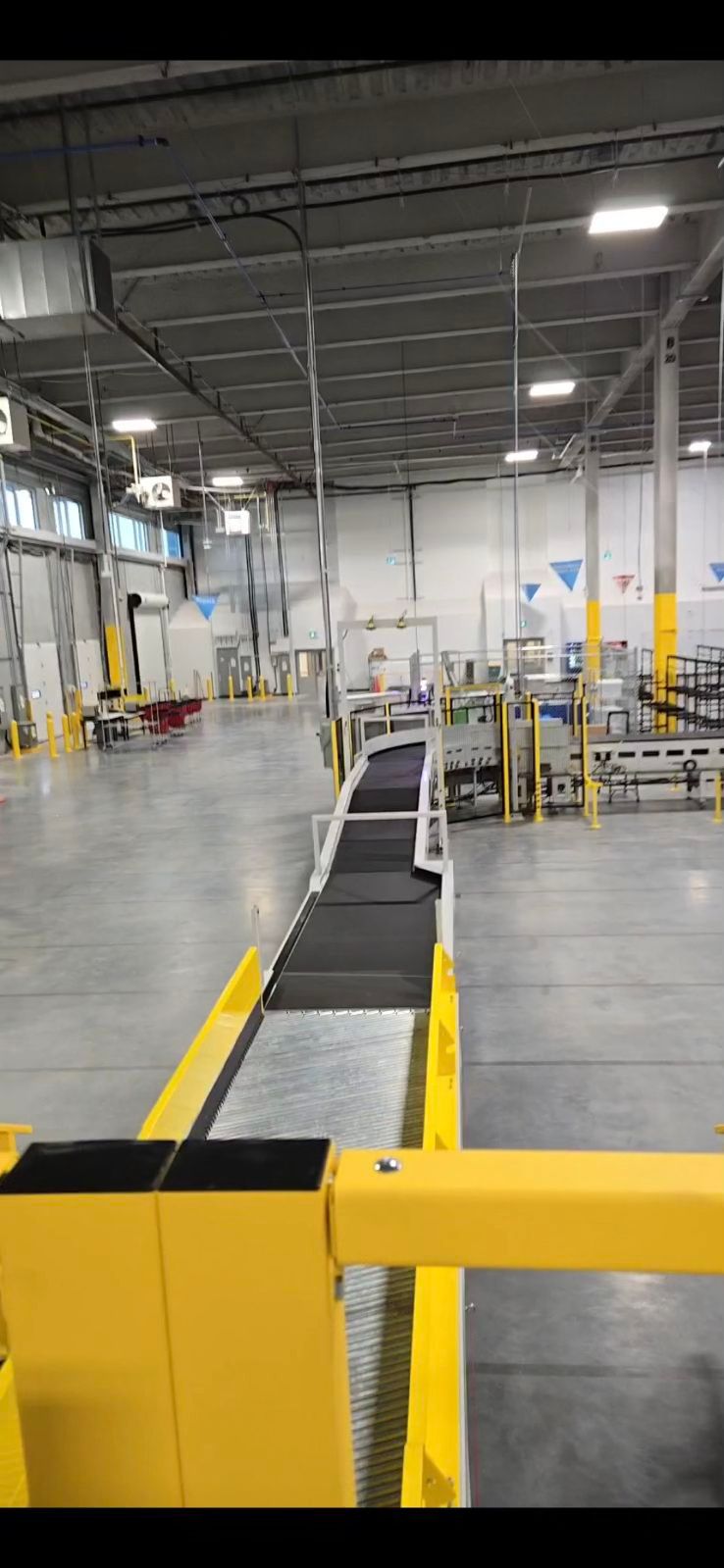
In today’s fast-paced industrial landscape, maintaining the operational efficiency of machinery and equipment is crucial. Lifecycle maintenance services play a pivotal role in ensuring the longevity and optimal performance of industrial systems. These services are designed to address the entire lifecycle of equipment, from installation to decommissioning. By investing in comprehensive maintenance strategies, organizations can significantly reduce downtime, enhance productivity, and extend the lifespan of their assets. This article explores the key aspects of lifecycle maintenance services and their benefits.
The Importance of Lifecycle Maintenance
Lifecycle maintenance is essential for sustaining the efficiency and reliability of equipment. It involves a holistic approach that encompasses preventive, predictive, and corrective maintenance strategies. The primary goal is to anticipate potential failures and address them before they impact operations. By implementing a robust maintenance plan, organizations can achieve:
- Improved operational efficiency and reduced operational costs.
- Prolonged equipment lifespan and enhanced asset utilization.
- Minimized unplanned downtime and increased safety standards.
To delve deeper into why lifecycle maintenance is crucial, read more about this topic.
Components of Lifecycle Maintenance Services
1. Preventive Maintenance
Preventive maintenance involves routine inspections and servicing of equipment to prevent unexpected failures. This proactive approach helps in identifying wear and tear early, thus avoiding costly repairs. Regular checks, lubrication, and component replacements are typical tasks under this type of maintenance.
2. Predictive Maintenance
Predictive maintenance utilizes advanced technologies such as IoT sensors and data analytics to monitor equipment conditions in real-time. By analyzing data trends, it predicts when a failure might occur, allowing for timely intervention. This approach not only saves costs but also enhances the reliability of equipment. Learn more in this detailed guide about predictive maintenance.
3. Corrective Maintenance
Corrective maintenance is performed after a fault is detected. While it is reactive in nature, it is essential for addressing unexpected breakdowns. This maintenance type focuses on restoring equipment to its operational state and is usually more costly than preventive and predictive maintenance.
Benefits of Adopting Lifecycle Maintenance
Adopting a lifecycle maintenance approach offers a myriad of advantages. Organizations can benefit from:
- Enhanced equipment performance and reliability.
- Reduction in maintenance costs over time.
- Increased safety for operators and reduced risk of accidents.
- Compliance with regulatory standards and reduced liability.
For more information on the benefits and implementation strategies, explore further insights here.
Challenges in Implementing Lifecycle Maintenance
Despite its benefits, implementing lifecycle maintenance services comes with challenges such as:
- Initial setup costs and investment in technology.
- Training personnel to adopt and adapt to new maintenance strategies.
- Integrating with existing systems and processes.
Addressing these challenges requires careful planning and a strategic approach. Find additional information here.
Conclusion
Lifecycle maintenance services are integral to maximizing the performance and lifespan of industrial equipment. By embracing a comprehensive maintenance strategy, organizations can achieve significant cost savings, enhance operational efficiency, and ensure long-term sustainability. As technology continues to advance, the adoption of predictive maintenance solutions will become increasingly vital in maintaining competitive advantage. For a sustainable future, investing in lifecycle maintenance is not just a choice but a necessity.
